Global Energy & Strategic Industrial (G-ESI)
Texas Railroad Commission Report Proposes Hydrogen Infrastructure Rules
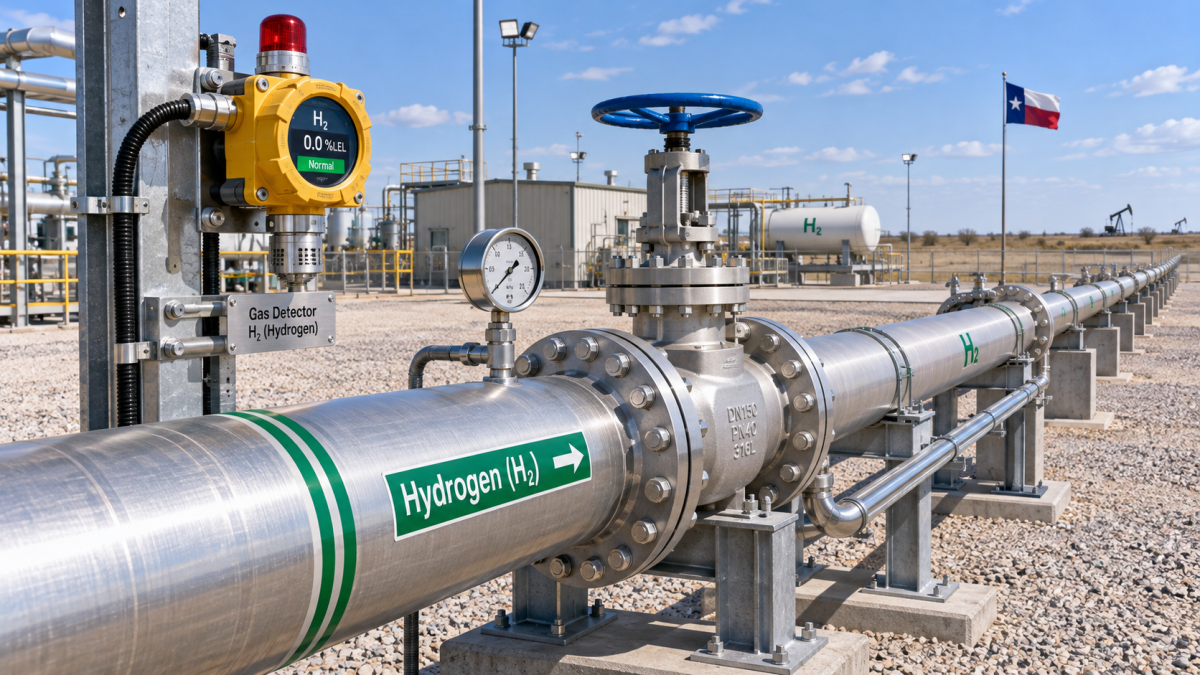
The Texas Railroad Commission has released a report proposing measures to support the state’s hydrogen industry and strengthen oversight of its infrastructure. Among its recommendations are hydrogen-specific leak detection requirements and additional rules governing the construction of hydrogen infrastructure.
The report says more than 1,000 miles of pure hydrogen pipelines are already operating safely in Texas. That existing network provides a starting point for considering how regulation might address further expansion. The recommendations, however, are proposals in a report; they do not by themselves establish that new requirements have taken effect.
For infrastructure owners, developers and other participants in the hydrogen supply chain, the distinction matters. The report identifies areas in which regulatory requirements could change, while the practical obligations would depend on the details of any subsequent rules.
Why leak detection is a focus
A requirement designed specifically for hydrogen leaks would address how operators identify and respond to a potential loss of gas. The report’s recommendation signals an interest in making leak detection an explicit part of the regulatory framework as the industry expands.
The effect on operators would depend on how such a requirement is written. Questions could include which facilities it covers, what operators would have to do to detect leaks and how any obligations would apply to existing infrastructure. Those details would shape the work needed to comply; the report summary does not establish their answers.
The existing pipeline network is relevant to that discussion because it shows that hydrogen infrastructure is already in operation in the state. At the same time, the existence of that network does not establish what a hydrogen-specific leak detection rule would require or whether current practices would need to change.
Construction rules and supply chain planning
The proposed additional construction rules concern a different stage of infrastructure development. While leak detection focuses on identifying releases, construction requirements could influence how new facilities are planned and built. Clear requirements could give developers a more defined basis for incorporating regulatory obligations into project plans.
Any effect on project schedules or costs would depend on the eventual provisions and how they are applied. A recommendation to develop additional rules is not, on its own, evidence that construction has become more expensive, that projects face delays or that existing facilities must be modified.
The potential implications extend beyond the companies building infrastructure. Hydrogen suppliers and customers that depend on new connections could also have an interest in how construction requirements develop, since the availability of infrastructure can affect how hydrogen moves through a supply chain. The scale and timing of any such effects would depend on individual projects and the final regulatory approach.
What to watch next
The next useful information would be details of any proposed rules and the actions taken on them. For leak detection, the scope of coverage and the obligations placed on operators will be central. For construction, the key questions include which types of infrastructure would be covered and what developers would need to demonstrate.
The report points toward more specific oversight alongside an established hydrogen pipeline network. Whether that direction results in new operating or construction obligations will depend on the rules developed after the report and their implementation.
Related Industries
- EXIM Bank Reviews Export Financing for Papua New Guinea LNG InfrastructureEXIM Bank reviews export financing for Papua New Guinea LNG infrastructure. Explore potential impacts on suppliers, procurement and project timelines.
- Fincantieri Delivers Viking Libra, Viking’s First Hydrogen Fuel Cell Cruise ShipExplore Fincantieri’s delivery of Viking Libra, Viking’s first hydrogen fuel cell cruise ship, and what its hybrid power system means for cruise operations.
- How to Compare Oil Spill Recovery Equipment SuppliersCompare oil spill recovery equipment suppliers with a practical buyer’s guide to system performance, compliance, lifecycle costs, delivery, and support.
Weekly Insights
Stay ahead with our curated technology reports delivered every Monday.
Related Industries
Recommended News
- 00
0000-00
How Do Hydrogen Fueling Standards Address Safety and Performance?Discover how hydrogen fueling standards address station safety, fuel quality and reliable performance—and what to verify before commissioning.By Dr. Julian VoltNov 25, 2026 - 00
0000-00
Texas Railroad Commission Report Proposes Hydrogen Infrastructure RulesTexas Railroad Commission proposes hydrogen infrastructure rules. Explore potential leak detection and construction requirements and what operators should watch.By Dr. Julian VoltNov 22, 2026 - 00
0000-00
Inner Mongolia’s 195-Kilometer Hydrogen Pipeline Begins OperationInner Mongolia’s 195-kilometer hydrogen pipeline is operational. Discover its capacity and what it could mean for green hydrogen supply and industrial users.By Dr. Julian VoltNov 21, 2026
0000-00
