
Global Energy & Strategic Industrial (G-ESI)
Inner Mongolia’s 195-Kilometer Hydrogen Pipeline Begins Operation
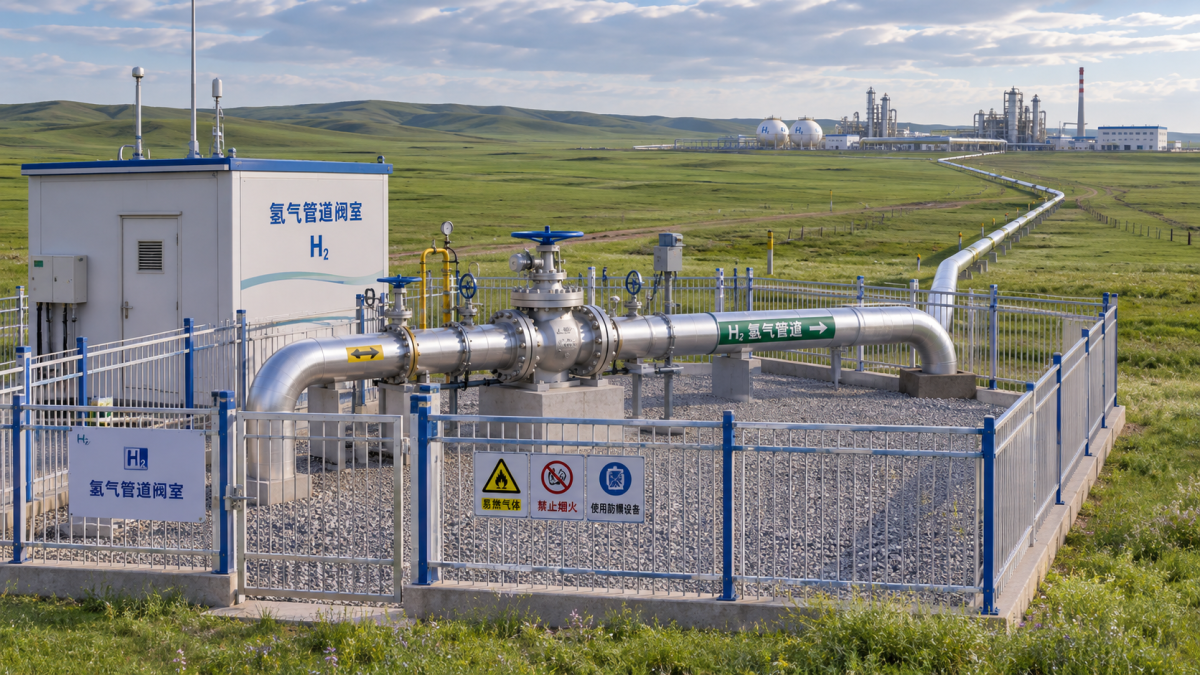
A 195-kilometer pure hydrogen pipeline connecting Darhan Muminggan Joint Banner and Baotou in Inner Mongolia has entered operation, according to Xinhua and specialist media reports. The line has an approved annual hydrogen transport capacity of 100,000 tonnes and currently supports approximately 7,800 tonnes a year of green hydrogen production capacity.
Described as China’s first long-distance pure hydrogen pipeline exceeding 100 kilometers, the project offers a way to connect hydrogen production with industrial users over a substantial distance. Its potential to reduce transport costs makes the line relevant to both producers seeking a route to market and users assessing how reliably and economically hydrogen can reach them.
Approved capacity and current production serve different purposes
The two annual figures describe different parts of the supply chain. The approved 100,000 tonnes refers to the pipeline’s transport capacity; the approximately 7,800 tonnes refers to green hydrogen production capacity currently supported by the line. Neither figure establishes how much hydrogen has actually been transported or delivered to users.
The distinction matters when assessing the project’s immediate impact. The pipeline provides capacity beyond the production it currently supports, but the scale and timing of any increase in throughput will depend on future production and demand. The approved figure should therefore be read as a measure of potential transport capacity, not as a forecast of near-term deliveries.
Why the connection matters for industrial supply
Moving hydrogen from where it is produced to where it can be used is a central question for the project. A direct pipeline connection could reduce the cost of that movement, improving the economics of supply to industrial users. The practical benefit will depend on the volumes carried and the costs of using the line; the reports do not establish a quantified saving.
For producers, the connection creates a potential route for reaching industrial demand beyond the production site. For users, its value lies in access to a source of hydrogen through a fixed transport link. Whether either side realizes a substantial cost advantage will depend on the terms and volume of supply as operations develop.
The project was selected by the National Energy Administration and has been identified as having demonstration value for addressing hydrogen supply-chain constraints. Its operation shows that a long-distance pure hydrogen link has entered service; its wider significance will become clearer through its performance in regular use.
Future reports on actual transport volumes, use of the approved capacity and delivery costs would help clarify how the pipeline performs. Growth in production alone would not establish its commercial impact: the volumes reaching industrial users and the cost of delivering them will also matter.
Related Industries
- EXIM Bank Reviews Export Financing for Papua New Guinea LNG InfrastructureEXIM Bank reviews export financing for Papua New Guinea LNG infrastructure. Explore potential impacts on suppliers, procurement and project timelines.
- Fincantieri Delivers Viking Libra, Viking’s First Hydrogen Fuel Cell Cruise ShipExplore Fincantieri’s delivery of Viking Libra, Viking’s first hydrogen fuel cell cruise ship, and what its hybrid power system means for cruise operations.
- How to Compare Oil Spill Recovery Equipment SuppliersCompare oil spill recovery equipment suppliers with a practical buyer’s guide to system performance, compliance, lifecycle costs, delivery, and support.
Weekly Insights
Stay ahead with our curated technology reports delivered every Monday.
Related Industries
Recommended News
- 00
0000-00
How Do Hydrogen Fueling Standards Address Safety and Performance?Discover how hydrogen fueling standards address station safety, fuel quality and reliable performance—and what to verify before commissioning.By Dr. Julian VoltNov 25, 2026 - 00
0000-00
Texas Railroad Commission Report Proposes Hydrogen Infrastructure RulesTexas Railroad Commission proposes hydrogen infrastructure rules. Explore potential leak detection and construction requirements and what operators should watch.By Dr. Julian VoltNov 22, 2026 - 00
0000-00
Inner Mongolia’s 195-Kilometer Hydrogen Pipeline Begins OperationInner Mongolia’s 195-kilometer hydrogen pipeline is operational. Discover its capacity and what it could mean for green hydrogen supply and industrial users.By Dr. Julian VoltNov 21, 2026
0000-00
