
Global Energy & Strategic Industrial (G-ESI)
European Commission Opens Consultation on Updated EU Hydrogen Strategy
The European Commission launched a four-week call for evidence and targeted stakeholder consultation on October 26, 2026, to inform an updated EU hydrogen strategy. The process seeks feedback from industry participants and institutions on how the EU hydrogen policy framework should evolve as project deployment falls short of expectations.
The review aims to reassess earlier ambitions and provide policy direction for next-generation electrolyser and fuel cell technologies. Its immediate significance lies in opening those priorities to scrutiny: the consultation creates an opportunity to examine how policy objectives relate to the practical conditions for deploying hydrogen projects.
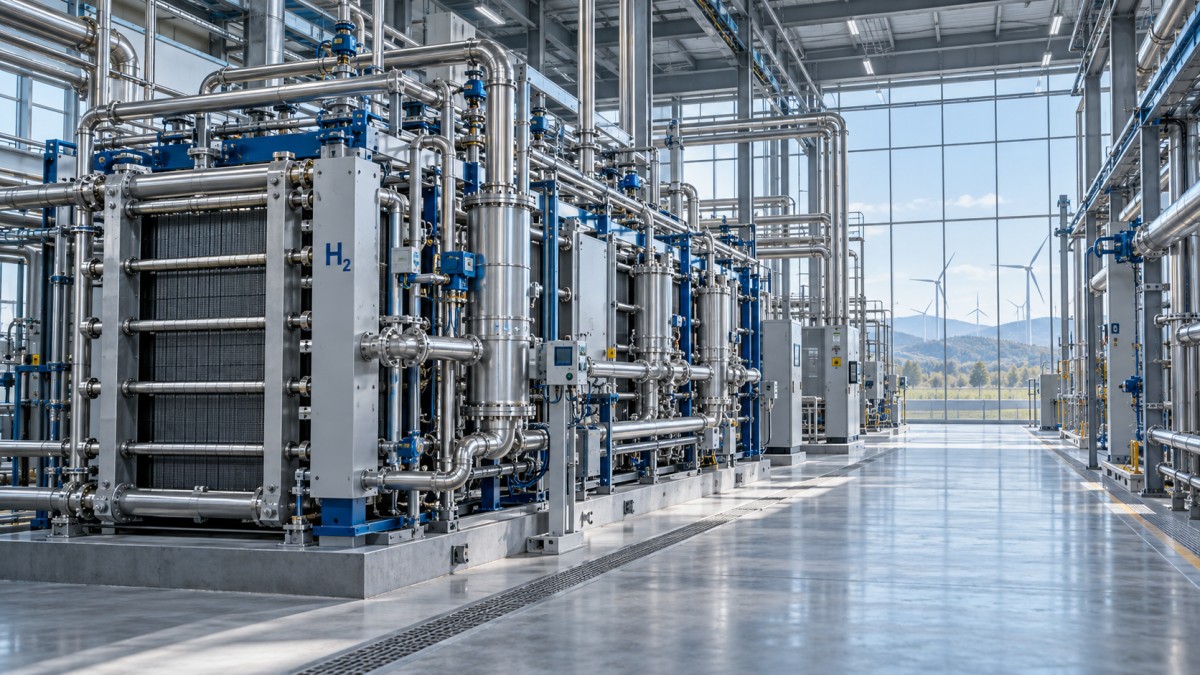
Deployment constraints move into focus
Reconsidering targets in response to slower-than-expected deployment suggests that the updated strategy could place greater emphasis on how ambitions translate into projects. However, the launch of a consultation does not establish whether targets will be reduced, retained or otherwise adjusted. Those choices remain part of the policy review.
For project developers, a central issue is whether stakeholder feedback leads to changes that address the obstacles affecting deployment. For electrolyser and fuel cell technology developers, the relevant question is how the revised strategy connects support for next-generation technologies with the needs of projects expected to use them. These interests overlap, but progress in technology development alone would not establish that deployment constraints have been resolved.
The clearest signal at this stage is a willingness to revisit the relationship between policy ambition, project delivery and technology development. The consultation itself does not demonstrate an improvement in demand or project activity. Subsequent Commission communications will be worth watching for how stakeholder evidence influences revised objectives, deployment priorities and the direction given to electrolyser and fuel cell development.
Related Industries
- What Should You Check When Buying Rice Milling Machines Wholesale?Buying rice milling machines wholesale? Learn how to verify capacity, rice recovery, operating costs, and supplier support to avoid costly mistakes and buy with confidence.
- Oct. 28 Rare Earth Magnet Index Eases as Pr-Nd Oxide Softens, Dysprosium Oxide RisesRare Earth Magnet Index fell 0.24% on Oct. 28, 2026, as Pr-Nd oxide softened and dysprosium oxide rose. Explore what diverging prices mean for magnet procurement and supplier quotes.
- Which Safety Standards Apply to Autonomous Harvesters in the Field?Explore autonomous harvester safety standards, including ISO 18497, ISO 25119, and ISO 4254. Learn what evidence to demand before approving safe field operations.
Weekly Insights
Stay ahead with our curated technology reports delivered every Monday.
Related Industries
Recommended News
- 00
0000-00
European Commission Opens Consultation on Updated EU Hydrogen StrategyEU hydrogen strategy consultation puts deployment challenges and next-generation electrolysers and fuel cells in focus. Explore what the review could mean for developers and industry stakeholders.By Dr. Julian VoltOct 27, 2026 - 00
0000-00
Is Energy Investment Shifting From Nuclear to Hydrogen?Is investment shifting from nuclear to hydrogen in future energy portfolios? Explore costs, financing, and demand to discover whether hydrogen complements or replaces nuclear.By Dr. Julian VoltOct 26, 2026 - 00
0000-00
How Do Gas-Cooled Reactor Temperatures Affect Thermal Efficiency?Explore nuclear reactor thermal efficiency in gas cooled reactor designs. Discover how temperature, materials, and power cycles affect net output—and compare performance with confidence.By Dr. Julian VoltOct 18, 2026
0000-00
