
Global Energy & Strategic Industrial (G-ESI)
Surging European Gas Demand Accelerates Storage Withdrawals
European natural gas demand rose sharply in early November 2026, accelerating withdrawals from storage and placing pressure on LNG imports and the winter supply balance, according to a report cited by European Gas Hub. The precise date of the underlying event is not specified in the supplied information. No new policy, regulation or trade rule is identified, but the reported pressure gives gas buyers, traders and supply-chain participants reason to examine how existing contractual and regulatory arrangements could affect procurement and delivery decisions.
Demand rises above seasonal expectations
According to the supplied summary of the European Gas Hub report, European natural gas demand increased sharply in early November 2026. Estimated demand in the preceding week was more than 20% above seasonal expectations and 25% higher than in the previous week.
The summary states that the increase accelerated withdrawals from gas storage facilities and placed significant pressure on LNG imports and the winter supply balance. It does not specify an exact event date or identify a policy change, regulatory decision or new industry standard.
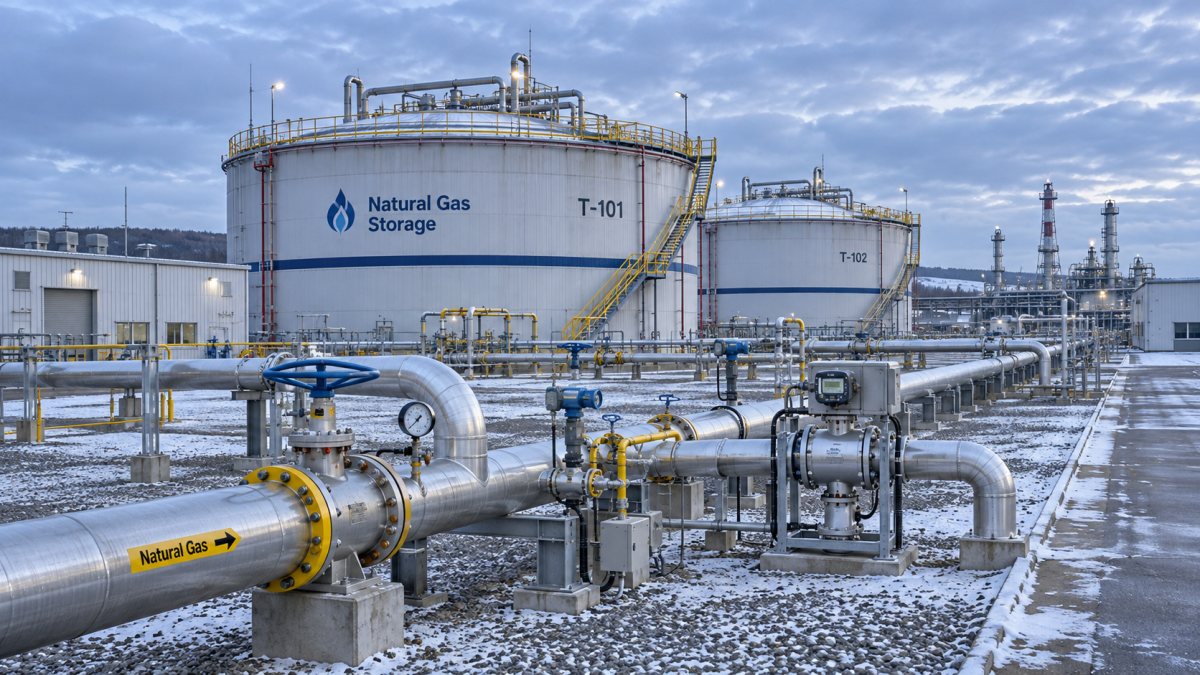
Where storage pressure could reach the supply chain
Gas buyers and procurement teams
Analysis suggests that buyers whose supply plans depend on a combination of stored gas and incoming deliveries may need to reassess the timing of their purchases. Faster withdrawals could change the volume they expect to source later in the winter, while stronger demand could alter the balance between near-term needs and contracted supply. The supplied information does not establish that any individual buyer faces a shortage or must change its purchasing arrangements.
For procurement teams, the practical question is whether existing contracts provide enough flexibility if consumption differs from forecasts. Buyers can review delivery windows, nominated volumes and any conditions governing changes to orders. They can also check which documents are needed to support a request for revised deliveries. These are suggested reviews, not new obligations arising from the reported demand increase.
Traders and LNG supply arrangements
From a trading perspective, pressure on LNG imports may make the reliability and timing of incoming supply more consequential. A trader considering a transaction could need a clearer view of when gas is expected to arrive, when it can be made available to a buyer and what contractual options exist if those dates change. The report summary does not describe a particular cargo, route or disruption.
Analysis also suggests that parties should distinguish a change in commercial terms from a change in law. If a supplier proposes a revised delivery schedule or volume, the relevant contract and transaction documents would determine the initial review. Whether any official trade or regulatory requirements have changed would require separate verification; no such change is confirmed in the input.
Storage and delivery coordination
Faster withdrawals may increase the importance of coordination between those arranging storage use and those responsible for onward supply. In practical terms, a participant may want to compare expected withdrawals with delivery commitments and identify points where a delay or change in demand could affect its plans. This is a scenario for assessment, not a finding that storage access or delivery services have been restricted.
Businesses that support scheduling and documentation could also face more frequent requests for updated information if their customers revise supply plans. They may find it useful to clarify who communicates changes, what evidence is required and when counterparties need to receive it. The supplied summary does not establish any new documentation standard or certification requirement.
Industrial users and their suppliers
For companies that use gas in production, analysis suggests that uncertainty around the winter balance may warrant closer alignment between energy purchasing and operating plans. A buyer could compare its expected consumption with confirmed supply and consider how a change in delivery timing would affect production commitments. The extent of any exposure would depend on the company's own contracts, consumption profile and available alternatives, none of which are specified in the report summary.
Suppliers serving those users may similarly want to understand whether customers are considering revised volumes or schedules. A request for information or a contract discussion should not be treated as evidence of an actual interruption. Nor does the reported demand increase establish a new product certification, testing or technical compliance requirement.
Checks that can inform winter supply decisions
Reconcile demand forecasts with available supply
Companies may start by comparing current consumption assumptions with contracted deliveries and planned storage withdrawals. The reported gap between estimated demand and seasonal expectations illustrates why an average seasonal assumption may deserve review. It does not, however, provide a forecast for the rest of winter or a basis for applying the same percentage to an individual business.
A useful assessment would distinguish confirmed volumes from expected or uncontracted supply, then examine how a higher or lower demand scenario could affect delivery commitments. Decision-makers can revisit that assessment as more reliable information becomes available. The input does not identify the duration of the demand increase, so any scenario should remain conditional.
Review contract flexibility and delivery evidence
Buyers and sellers may wish to check the terms governing volume adjustments, delivery dates, notices and documentation. The purpose is to establish what each party has agreed and how a proposed change would be handled. Where contracts depend on coordinated storage withdrawals or LNG-related deliveries, teams can also identify which assumptions require confirmation from counterparties.
If a delivery plan changes, retaining the relevant notices and updated transaction documents may help parties reconcile their records. The appropriate documents and procedures depend on the arrangement concerned; the supplied information does not prescribe a particular form, deadline or approval process.
Verify rules before changing a trade or supply plan
What deserves closer attention is whether any later official announcement or commercial notice affects access, scheduling or cross-border transactions relevant to a company's own business. Participants can check the applicable requirements and the latest instructions from their counterparties before relying on a revised plan. At present, the supplied report identifies market pressure but does not establish that a regulator has introduced a new measure.
Compliance teams may also check whether existing contractual or regulatory requirements apply to a proposed transaction. That review should be specific to the activity and jurisdiction involved. It would be premature to infer a new permit, certification, reporting duty or trade restriction from the demand figures alone.
Test alternatives against actual constraints
Where supply plans appear sensitive to timing, businesses could assess alternative sourcing or delivery arrangements. Such an assessment may include availability, contract terms, timing and the operational suitability of the proposed option. An alternative should be validated against the buyer's actual requirements before it is incorporated into a commitment.
The existence, cost and feasibility of alternatives are not established by the supplied information. Planning for them is therefore a risk-management option, not a claim that replacement supply is readily available or that every participant needs to make a change.
A market signal still awaiting a rule response
Editorial analysis suggests that this report is best understood as a signal of pressure on winter gas supply arrangements, rather than evidence of a rule already in force. The reported demand increase and faster storage withdrawals are relevant to policy and commercial execution because they may prompt closer scrutiny of supply plans. The input does not confirm that authorities or market operators have responded with new rules.
Further information could change that assessment. Relevant developments would include the duration of elevated demand, subsequent storage withdrawal patterns, LNG import availability and any official statements affecting supply arrangements. Companies could also watch for changes in contract offers, delivery instructions and market feedback. None of these outcomes is established by the current summary.
The distinction matters for execution. A commercial counterparty may revise an offer or request a different delivery schedule without a regulation having changed. Conversely, an official measure, if later announced, would need to be assessed against its actual text, scope and effective date. Treating each development according to its source can help businesses avoid relying on an unconfirmed interpretation.
Keeping the winter balance under review
The reported surge in European gas demand connects three immediate planning questions: how quickly storage is being used, how LNG imports may support supply and whether deliveries match customer needs. The available information points to pressure on that balance, but it does not establish the duration of the pressure or a new mandatory response.
For industry participants, the proportionate approach is to review exposure, confirm contractual details and monitor reliable updates. Any decision to change procurement or delivery plans should reflect the company's own circumstances and verified information as it becomes available.
What the supplied report establishes
This article is based on the user-provided news title, event-time information and summary, which attributes the reported demand figures and supply pressure to European Gas Hub. The supplied event-time field does not specify an exact date, while the summary refers to early November 2026. No specific official source link was provided in the input, and the information should continue to be verified.
Later verification may draw on official announcements, regulatory releases, trade authority information, industry publications and relevant commercial documents. Particular attention should be paid to any policy details, changes in trade or delivery execution, and feedback from market participants. Those sources may clarify whether the reported pressure leads to any formal change or remains a matter for commercial planning.
Related Industries
- EXIM Bank Reviews Export Financing for Papua New Guinea LNG InfrastructureEXIM Bank reviews export financing for Papua New Guinea LNG infrastructure. Explore potential impacts on suppliers, procurement and project timelines.
- Fincantieri Delivers Viking Libra, Viking’s First Hydrogen Fuel Cell Cruise ShipExplore Fincantieri’s delivery of Viking Libra, Viking’s first hydrogen fuel cell cruise ship, and what its hybrid power system means for cruise operations.
- How to Compare Oil Spill Recovery Equipment SuppliersCompare oil spill recovery equipment suppliers with a practical buyer’s guide to system performance, compliance, lifecycle costs, delivery, and support.
Weekly Insights
Stay ahead with our curated technology reports delivered every Monday.
Related Industries
Recommended News
- 00
0000-00
EXIM Bank Reviews Export Financing for Papua New Guinea LNG InfrastructureEXIM Bank reviews export financing for Papua New Guinea LNG infrastructure. Explore potential impacts on suppliers, procurement and project timelines.By Dr. Marcus CrudeNov 28, 2026 - 00
0000-00
Energinet Invests DKK 1.6 Billion in Security Upgrades, Assigns COWI Engineering RoleEnerginet invests DKK 1.6 billion in security upgrades across Denmark’s energy facilities, with COWI advising on access control and surveillance design. Explore the ARGUS programme.By Dr. Marcus CrudeNov 27, 2026 - 00
0000-00
VINCI Wins Contract to Build 225,000-Cubic-Metre LNG Canada TankVINCI wins a €400 million contract to build a 225,000-cubic-metre LNG Canada storage tank. Discover what the award means for the Kitimat project.By Dr. Marcus CrudeNov 26, 2026
0000-00
