
Global Energy & Strategic Industrial (G-ESI)
Platts to Revise Global LNG Arbitrage Matrix Methodology
Platts, part of S&P Global Energy, announced on November 18 that it will revise the methodology used to calculate its daily global liquefied natural gas (LNG) arbitrage matrix. The change will use dual-fuel shipping routes that incorporate carbon emissions factors as the basis for freight calculations, with routes from Nigeria and the Middle East to India among the examples cited.
The stated aim is to give the matrix a more accurate view of the relationship between LNG trade opportunities and the costs associated with shipping and carbon compliance. The announcement did not specify an effective date for the revised methodology.
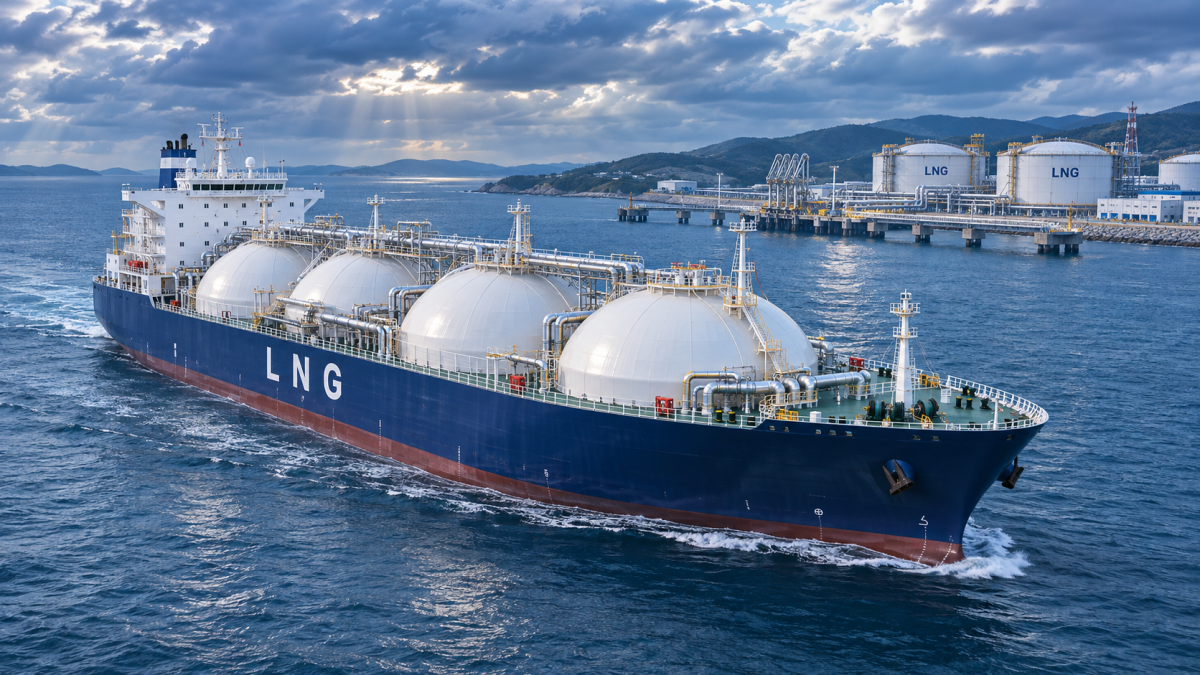
Why the freight calculation matters
An arbitrage matrix helps assess the potential economics of moving LNG between markets. The difference between prices in two locations is only part of that assessment: the cost of moving a cargo also affects the margin that remains. A change to the freight basis can therefore alter the calculated opportunity even when the prices being compared remain unchanged.
In this case, the methodological revision brings shipping routes that incorporate carbon emissions factors into the freight calculation. That makes the treatment of shipping and associated carbon costs central to interpreting the resulting matrix. A narrower calculated margin could indicate that more of the apparent price difference is absorbed by estimated costs; a wider margin could indicate the opposite. Neither result alone would establish that a particular cargo can be traded profitably.
The announcement identifies example routes, but does not set out the detailed calculation or quantify its effect. The direction and size of any change in a reported arbitrage margin will depend on how the revised freight basis is applied.
What matrix users may need to examine
For traders and other users of the assessment, the immediate question is how figures calculated under the revised method compare with earlier readings. A movement in the matrix around the changeover could reflect the methodology, changes in the underlying market inputs, or both. Understanding that distinction will matter when comparing daily assessments across the transition.
Users assessing individual cargoes may also need to consider how closely the matrix's route and cost assumptions correspond to their own circumstances. The matrix is an assessment tool; the economics of a transaction depend on the costs and terms applicable to that transaction. The announcement does not establish that every route or cargo will face the same carbon-related cost.
Further detail on the effective date, the treatment of emissions factors and the application of the route benchmarks would help readers interpret the revised figures. Until those details are available, the clearest conclusion is that Platts plans to change a calculation used to assess LNG arbitrage, rather than that the announcement itself has changed physical shipping costs or created a particular trading opportunity.
Related Industries
- EXIM Bank Reviews Export Financing for Papua New Guinea LNG InfrastructureEXIM Bank reviews export financing for Papua New Guinea LNG infrastructure. Explore potential impacts on suppliers, procurement and project timelines.
- Fincantieri Delivers Viking Libra, Viking’s First Hydrogen Fuel Cell Cruise ShipExplore Fincantieri’s delivery of Viking Libra, Viking’s first hydrogen fuel cell cruise ship, and what its hybrid power system means for cruise operations.
- How to Compare Oil Spill Recovery Equipment SuppliersCompare oil spill recovery equipment suppliers with a practical buyer’s guide to system performance, compliance, lifecycle costs, delivery, and support.
Weekly Insights
Stay ahead with our curated technology reports delivered every Monday.
Related Industries
Recommended News
- 00
0000-00
EXIM Bank Reviews Export Financing for Papua New Guinea LNG InfrastructureEXIM Bank reviews export financing for Papua New Guinea LNG infrastructure. Explore potential impacts on suppliers, procurement and project timelines.By Dr. Marcus CrudeNov 28, 2026 - 00
0000-00
Energinet Invests DKK 1.6 Billion in Security Upgrades, Assigns COWI Engineering RoleEnerginet invests DKK 1.6 billion in security upgrades across Denmark’s energy facilities, with COWI advising on access control and surveillance design. Explore the ARGUS programme.By Dr. Marcus CrudeNov 27, 2026 - 00
0000-00
VINCI Wins Contract to Build 225,000-Cubic-Metre LNG Canada TankVINCI wins a €400 million contract to build a 225,000-cubic-metre LNG Canada storage tank. Discover what the award means for the Kitimat project.By Dr. Marcus CrudeNov 26, 2026
0000-00
